Mastering Your Emotions: A Path to Wisdom
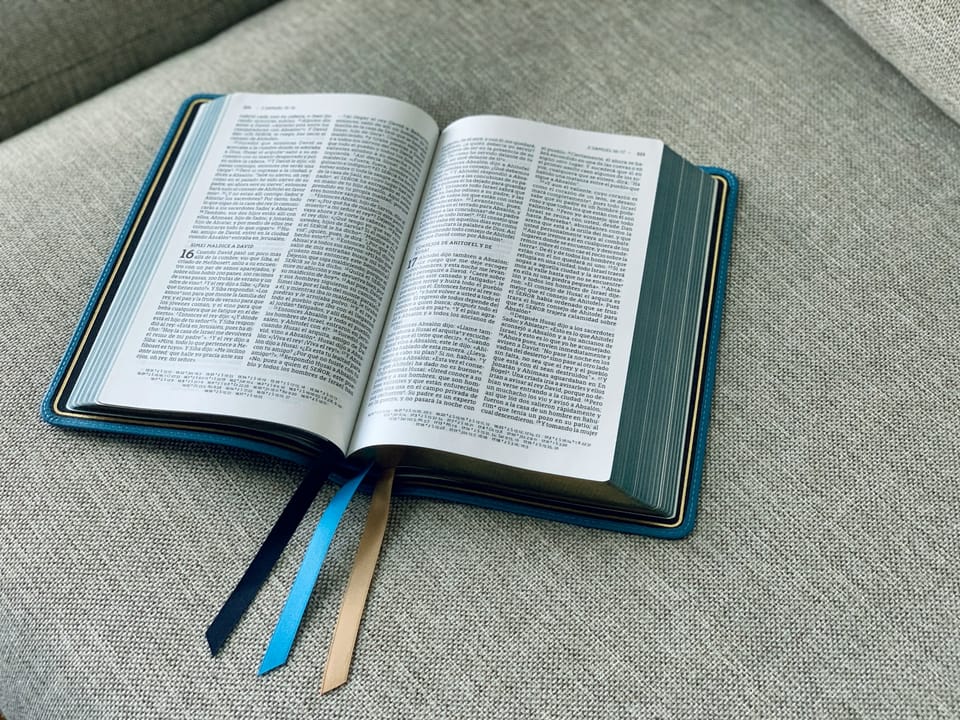
In our fast-paced world, the pressure to express ourselves can feel overwhelming. Social media, instant messaging, and the urgency of modern life often encourage us to react impulsively. Yet, the wisdom of Proverbs 29:11 reminds us that there is profound strength in restraint: “A fool giveth full vent to his spirit: but a wise man keepeth it in till afterwards.”
At first glance, it may seem that expressing our emotions freely showcases authenticity and courage. However, unchecked emotional outbursts can lead to regret, misunderstandings, and damaged relationships. The fool, in his haste, allows his feelings to dictate his actions. He may feel a fleeting sense of liberation, but his lack of control often leads to chaos and strife. In contrast, the wise man takes a moment to pause, reflect, and respond thoughtfully.
This does not mean we must suppress our feelings or pretend they do not exist. Emotions are a natural part of being human, and they can be powerful motivators. However, it is essential to learn how to process them wisely. The wise man understands that emotions, when expressed at the right time and in the right manner, can lead to healing, understanding, and deeper connections with others.
Imagine a situation where you feel anger rising within you. The fool reacts immediately, lashing out with hurtful words or actions. The wise man, however, takes a step back. He may breathe deeply, pray, or seek counsel before responding. This pause allows him to evaluate the situation, understand his emotions, and choose a response that reflects his values and character.
In a world that often values immediate gratification and raw honesty, practicing emotional restraint is countercultural. Yet it is a vital skill for personal growth and healthy relationships. Let us strive to embody wisdom in our daily interactions, learning the art of holding back our spirits until the right moment.
As we reflect on this truth, let us ask ourselves:
1. In what situations do I tend to react impulsively rather than respond thoughtfully?
2. How can I create space for reflection before expressing my emotions?
3. What steps can I take to cultivate a habit of emotional restraint in my daily life?
By embracing this wisdom, we can transform our interactions, fostering environments of peace and understanding. Let us choose to be wise, mastering our emotions instead of being mastered by them.