THE POWER OF WISDOM IN OUR WORDS
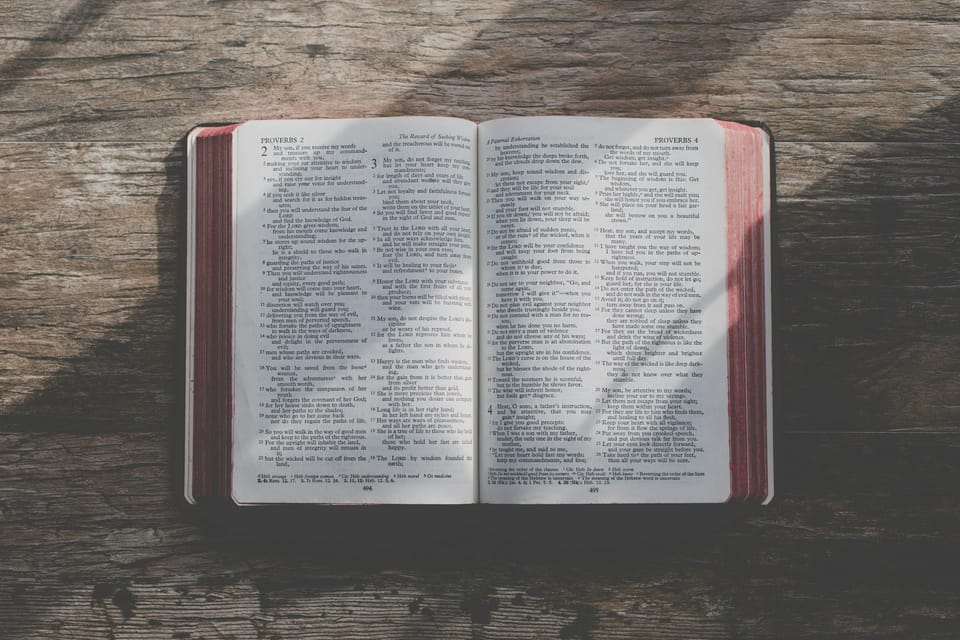
In a world overflowing with noise and opinions, the wisdom of our words can often get lost amidst the clamor. Proverbs 15:2 reminds us, “The tongue of the wise useth knowledge aright: but the mouth of fools poureth out foolishness.” This verse invites us to reflect on the profound impact our words can have, not just on others, but on ourselves as well.
Every day, we are faced with countless opportunities to speak. Whether in conversations with friends, discussions at work, or interactions with strangers, the words we choose carry weight. When we speak with wisdom, we commend knowledge, offering insight and understanding that can uplift and inspire. Our words can create bridges between hearts, foster understanding, and illuminate paths for those who may be lost in darkness.
However, it is easy to fall into the trap of speaking without thought. The tongue can be a double-edged sword; it can either build up or tear down. In moments of frustration, anger, or impatience, we may find ourselves pouring out foolishness instead of wisdom. This not only affects our relationships with others but also shapes our own character. The challenge lies in striving to ensure that our speech aligns with the wisdom that comes from God.
To cultivate a tongue that commends knowledge, we must first seek wisdom from the source—our Heavenly Father. Spending time in prayer, reading the Scriptures, and meditating on God’s truths equips us with the understanding we need. When we fill our hearts and minds with His Word, our speech will naturally reflect that wisdom.
As we navigate our daily interactions, let us be intentional in our communication. Ask yourself, “Are my words encouraging or discouraging? Do they reflect the wisdom I have received from God?” When we approach our conversations with humility and a desire to uplift, we become vessels of His wisdom in a world that so desperately needs it.
Take a moment to assess your own speech. Are you using your words to build others up, or do you find yourself speaking out of frustration or misunderstanding? Remember, the tongue of the wise commends knowledge. Let us strive to be wise in our words, not just for the benefit of those around us, but for our own growth in grace and understanding.
**Self-Assessment Questions:**
1. What recent conversation can I reflect on to discern if my words were wise or foolish?
2. How can I actively seek God’s wisdom to guide my speech in future interactions?
3. In what ways can I encourage others through my words today?
Let us commit to using our tongues to commend knowledge, allowing wisdom to flow through us as we navigate the complexities of modern life.